Mother among three held in minor’s murder, Hazaribagh Police suspects superstition
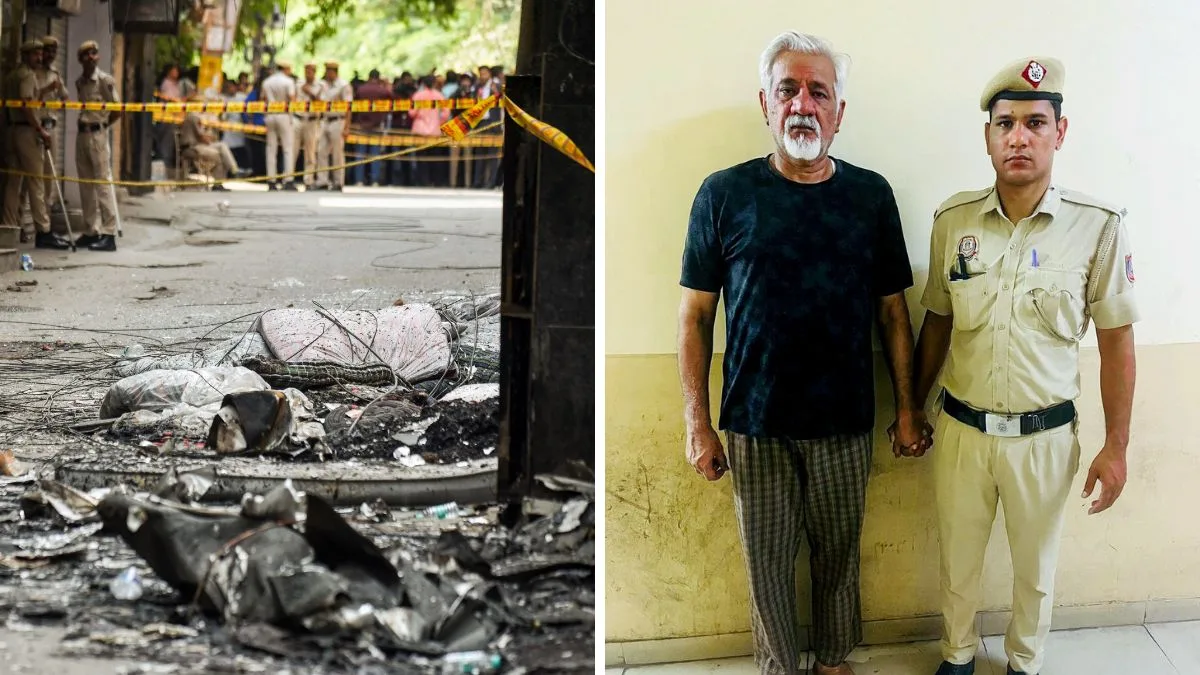
The incident took place in Kusumba village on 24 March and was initially treated as a case under suspicious circumstances.
The discovery was made when local resident Dhanwa Devi began digging the foundation of her home under the Pradhan Mantri Awas Yojana.




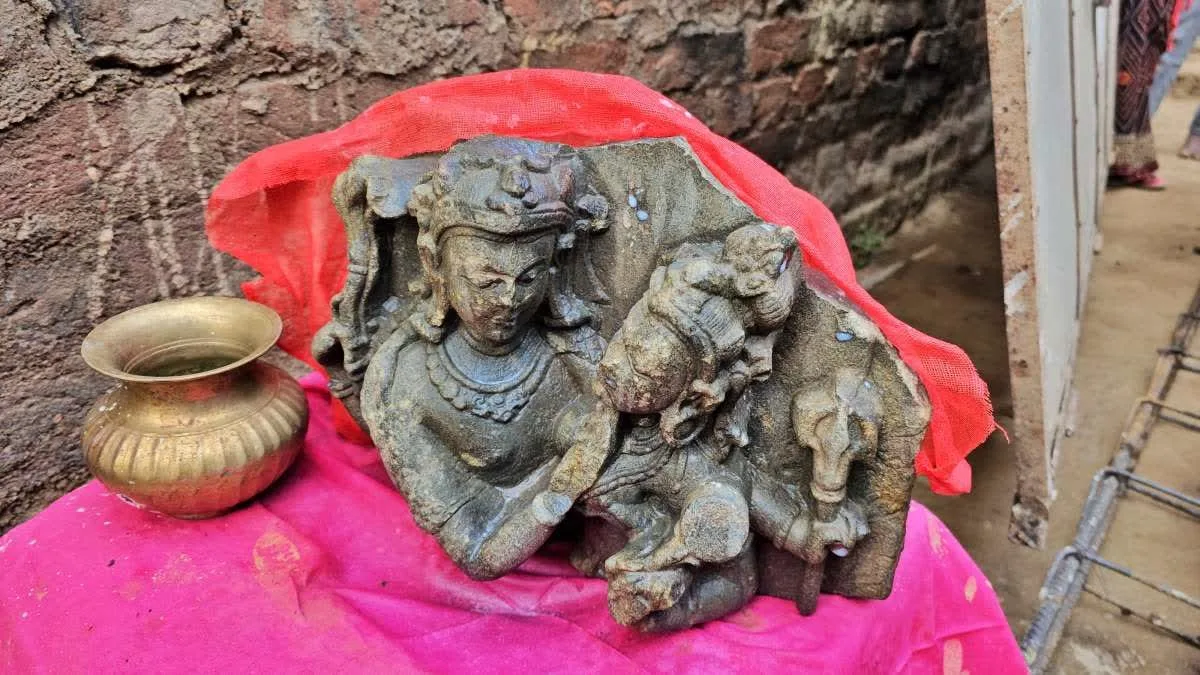
Photo: SNS
A routine house-construction dig in Hazaribag has led to a significant archaeological find, placing the district back in the national spotlight. An early medieval stone idol, believed to be of Uma Maheshwar and dating to the ninth or tenth century, surfaced during an excavation in Ambedkar Nagar of Godkhar village under Katkamsandi block.
The discovery was made when local resident Dhanwa Devi began digging the foundation of her home under the Pradhan Mantri Awas Yojana. A JCB machine uncovered the buried sculpture, prompting curiosity and excitement across the village. Residents informed local social worker Murari Singh, who then shared photographs and videos with Ranchi-based archaeologist Dr. Neeraj Mishra.
Advertisement
After examining the visuals, Dr. Mishra said the style and iconography indicate the sculpture belongs to the Pala period. He added that the region has shown strong archaeological potential in the past, and such finds help trace the area’s cultural and religious history.
Advertisement
The idol has been kept safely in the house where it was found, and villagers have begun offering prayers. Many residents are urging that a temple be built in the village, while others are unsure about the next steps and are calling for official intervention.
The find is the latest in a series of discoveries across Hazaribag. Ancient remains lie scattered around the Chadwa Dam area, where preliminary academic studies have taken place but no formal excavation has begun. A Buddha idol was also discovered earlier in Bahoranpur, further strengthening the district’s reputation as an archaeologically rich zone.
Local voices say the government should take note of the growing evidence of historical heritage in the region. Preservation, documentation and scientific excavation could help bring long-buried cultural assets to wider attention.
Archaeologists believe that coordinated efforts are essential to protect such finds, which continue to emerge from Hazaribag’s soil and point to a deep, layered past waiting to be explored.
Advertisement